How to Grow Swede
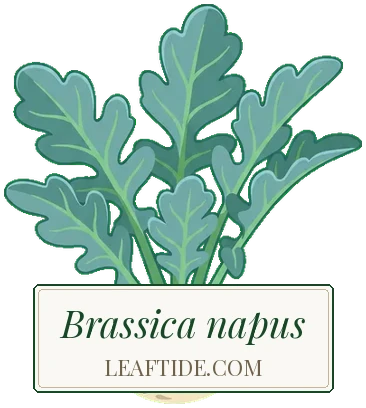
Brassica napus
Swede (rutabaga) prefers full sun, firm, fertile soil, and consistent moisture. Direct sow in late spring to early summer (May to June) for autumn–winter harvests; earlier sowings risk bolting. Thin promptly and keep weed-free. Protect seedlings with mesh against flea beetle and pigeons; rotation helps avoid clubroot. Water during bulking to prevent woody texture. Harvest from tennis-ball to grapefruit size; flavour improves after frost. Lift as needed or store roots cool and damp. Leaves are edible when young; remove yellowing foliage to improve airflow.
 In your Leaftide garden

- Hardiness
- Hardy
- Season
- Cool Season
- Harvest
- Single Harvest
- Spacing
- 20 cm
- Height
- 40 cm
- Sow depth
- 1 cm
- Min. soil temperature
- 5°C+
- Start from
- Seed
- Light
- Full sun to part shade
- Water
- Moderate
When to Start
Direct sow outdoors as soon as soil reaches 5°C — typically early to mid spring. Hardy enough to tolerate light frosts.
Don't know your frost date? Find it here →
Growth Stages
Approximate days from start
Care Essentials
- Light balanced feed at sowing. Avoid high-nitrogen feeds.
- Slow-growing — sow in May/June for autumn/winter harvest. A brassica, so include in rotation.
Growing Conditions
- Min. soil temperature
- 5°C+
- Germination temperature
- 10–20°C
Spacing & Planting
| Plant spacing | 20 cm |
| Row spacing | 40 cm |
| Sow depth | 1 cm |
| Mature height | 40 cm |
| Mature spread | 25 cm |
Also known as Rutabaga. Thin seedlings to this final spacing to allow for good root development.
Pests & Diseases
Pest Flea Beetle
Identification: Tiny round holes peppered across leaves (shot-hole damage); small, shiny black beetles that jump when disturbed; seedlings may be killed
- Cover rows with fine mesh or fleece immediately after sowing
- Keep soil moist — flea beetles prefer dry conditions
- Water seedlings in the evening to deter beetles
- Spray with pyrethrin-based insecticide in the evening when beetles are resting on leaves
Pest Cabbage Root Fly
Identification: Plants wilt despite adequate water; small white maggots found around roots; tunnels and brown scarring on root surface
- Cover rows with fine mesh or enviromesh to prevent egg-laying
- Use brassica collars around stems at soil level
- Rotate brassica crops on a 3-year cycle
- No effective chemical treatments available to home gardeners; prevention with barriers is the main approach
Pest Mealy Cabbage Aphid
Identification: Dense clusters of grey-white, waxy-coated aphids on leaf undersides; leaves curl and yellow; plants may be stunted
- Blast off with a strong jet of water
- Spray with insecticidal soap
- Encourage ladybirds and parasitic wasps
- Spray with a contact insecticide containing pyrethrins
Disease Clubroot Plasmodiophora brassicae
Symptoms: Swollen, distorted roots; stunted growth; leaves wilt in warm weather but may recover overnight; yellowing foliage
Treatment: No cure once soil is infected — remove and destroy affected plants; do not compost
Prevention: Lime acidic soils to raise pH above 7.0; rotate brassica crops on a 4+ year cycle; improve drainage; start plants in modules with clean compost; choose resistant varieties like 'Marian'
Disease Powdery Mildew Erysiphe cruciferarum
Symptoms: White, powdery coating on leaves; leaves yellow and die back; reduced root development
Treatment: Remove badly affected leaves; spray with a sulphur-based fungicide
Prevention: Space plants for good airflow; water at the base; avoid overhead watering; choose resistant varieties
Disease Brown Heart (Boron Deficiency)
Symptoms: Brown, corky patches inside the root flesh; may not be visible externally; roots taste bitter and have poor texture
Treatment: Apply borax at 35g per 20 square metres dissolved in water; do not exceed recommended rates
Prevention: Maintain soil pH between 6.5 and 7.0; add well-rotted compost; avoid overliming which locks out boron
Growing Conditions
| Min. soil temperature | 5°C |
| Germination temperature | 10–20°C |
| Base growth temperature | 4°C |
| Min. daylength to start | 8.5h |
| Photoperiod sensitivity | day neutral |
Frequently Asked Questions
- How far apart should I plant Swede?
- Plant Swede 20cm apart with 40cm between rows.
- Is Swede frost hardy?
- Swede is classified as Hardy.