How to Grow Coriander
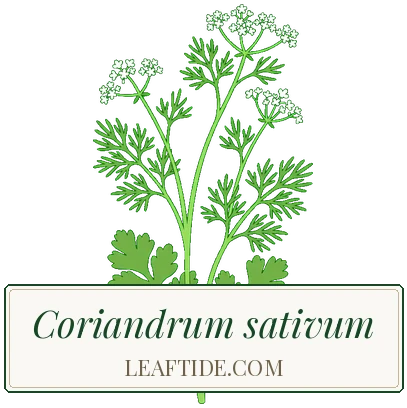
Coriandrum sativum
Coriander (cilantro) prefers cooler conditions, full sun to light shade, and well-drained soil. It dislikes transplant shock—direct sow little and often from spring to early summer, and again from late summer. Keep soil evenly moist to reduce bolting; some shade helps in hot spells. For leaf harvests, choose slow-to-bolt cultivars; for seeds, allow plants to flower and dry on the stem. Harvest leaves young and regularly for best flavour.
 In your Leaftide garden
 - Hardiness
- Hardy
- Season
- Cool Season
- Harvest
- Continuous Harvest
- Spacing
- 15 cm
- Height
- 50 cm
- Sow depth
- 1 cm
- Min. soil temperature
- 6°C+
- Start from
- Seed
- Light
- Full sun to part shade
- Water
- Moderate
When to Start
Direct sow outdoors as soon as soil reaches 6°C — typically early to mid spring. Can also be started indoors 3 weeks earlier for a head start.
Don't know your frost date? Find it here →
Growth Stages
Approximate days from start
Care Essentials
- Light liquid feed every 2 weeks. Avoid rich soil.
- Bolts very quickly in heat. Sow every 3 weeks for continuous supply. Grow in partial shade in summer.
Growing Conditions
- Min. soil temperature
- 6°C+
- Germination temperature
- 15–25°C
Pet Safety
- Sow indoors
- —
- Transplant out
- —
- First harvest
- —
Want your full season plan with reminders? Set up your garden free


Spacing & Planting
| Plant spacing | 15 cm |
| Row spacing | 25 cm |
| Sow depth | 1 cm |
| Mature height | 50 cm |
| Mature spread | 25 cm |
Prefers cool conditions; successive sowings spring and late summer to avoid bolting.
Pests & Diseases
Pest Aphids
Identification: Clusters of small green insects on shoot tips and flower stems, causing curled or distorted leaves
- Blast off with a strong jet of water
- Spray with fatty acid-based insecticide (check harvest interval)
- Encourage ladybirds and hoverflies
- Avoid chemical sprays on herbs intended for eating
Pest Slugs and Snails
Identification: Irregular holes in leaves and slime trails on and around plants, worst overnight and in wet weather
- Use beer traps or copper tape barriers
- Apply organic slug pellets (ferric phosphate)
- Encourage hedgehogs, frogs and ground beetles
- Ferric phosphate pellets are the only option approved for use near edible crops
Pest Carrot Fly
Identification: Yellowing foliage and stunted growth; larvae tunnel into roots causing brown scarring
- Cover with fine mesh or fleece barriers at least 60 cm high
- Avoid thinning plants in the evening when flies are active
- No chemical controls available for home gardeners on edible herbs
Disease Powdery Mildew
Symptoms: White powdery patches on leaves, causing yellowing and premature leaf drop
Treatment: Remove affected leaves. Improve air circulation around plants
Prevention: Space plants well, avoid overhead watering, and water in the morning so foliage dries quickly
Disease Bacterial Leaf Spot
Symptoms: Dark, water-soaked spots on leaves that may merge and cause leaf collapse
Treatment: Remove and destroy affected plants. Do not compost infected material
Prevention: Use clean seed, avoid overhead watering, and rotate crops. Do not work among wet plants
Growing Conditions
| Min. soil temperature | 6°C |
| Germination temperature | 15–25°C |
| Base growth temperature | 4°C |
| Min. daylength to start | 8.5h |
| Photoperiod sensitivity | long day |
Frequently Asked Questions
- How far apart should I plant Coriander?
- Plant Coriander 15cm apart with 25cm between rows.
- When can I harvest Coriander?
- Coriander is ready to harvest approximately 30 days after transplanting.
- Is Coriander frost hardy?
- Coriander is classified as Hardy.