How to Grow Kale
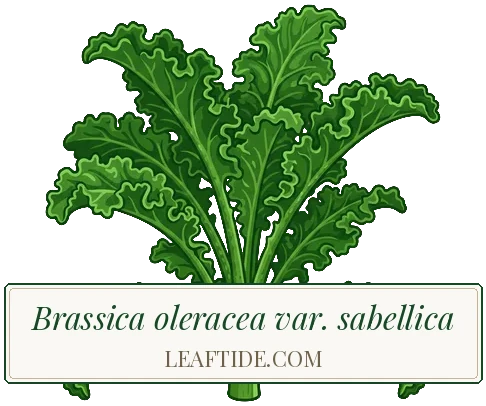
Brassica oleracea var. sabellica
Kale is a hardy brassica for full sun and fertile, moisture-retentive soil. Sow from late spring and plant out into firm ground. Keep covered with insect mesh to deter cabbage whites and pigeons. Water in dry spells for sweet, tender leaves. Harvest by picking outer leaves regularly; plants can crop from autumn through spring. Many varieties withstand frost—flavour often improves after cold snaps. Rotate beds to reduce clubroot risk.
 In your Leaftide garden
 - Hardiness
- Hardy
- Season
- Cool Season
- Harvest
- Single Harvest
- Spacing
- 35 cm
- Height
- 60 cm
- Sow depth
- 1 cm
- Min. soil temperature
- 5.5°C+
- Start from
- Seed
- Light
- Full sun to part shade
- Water
- Moderate
When to Start
Direct sow outdoors as soon as soil reaches 5.5°C — typically early to mid spring. Can also be started indoors 5 weeks earlier for a head start.
Don't know your frost date? Find it here →
Growth Stages
Approximate days from start
Care Essentials
- Nitrogen-rich feed at planting. Liquid feed monthly.
- Extremely nutritious and easy to grow. Cavolo nero and curly kale are the most popular types.
Companion Planting
Onions, Nasturtium
Growing Conditions
- Min. soil temperature
- 5.5°C+
- Germination temperature
- 10–25°C
- Sow indoors
- —
- Transplant out
- —
- First harvest
- —
Want your full season plan with reminders? Set up your garden free


Spacing & Planting
| Plant spacing | 35 cm |
| Row spacing | 40 cm |
| Sow depth | 1 cm |
| Mature height | 60 cm |
| Mature spread | 45 cm |
Allows plants to reach full size for large leaf harvests. Can be planted closer if harvesting young leaves for salads.
Companion Planting
Grows well with
Onion roots release sulphurous compounds that mask brassica scent trails, confusing cabbage root fly and flea beetles. Interplant every third row for best coverage.
▼Nasturtiums act as a sacrificial trap crop, luring aphids with their soft leaves and high amino acid content away from kale. Plant them as a border ring around the bed.
▼Keep away from
Brassicas and strawberries both attract slugs and compete for calcium in the topsoil, leading to stunted growth in both. Keep at least 1 metre apart.
▼Tomatoes and brassicas are both heavy nitrogen feeders that deplete topsoil rapidly together. Brassica root exudates also inhibit tomato mycorrhizal associations, reducing nutrient uptake.
▼Pests & Diseases
Pest Cabbage White Caterpillars
Identification: Large holes in leaves, green or yellow/black caterpillars visible
- Hand pick caterpillars
- BT (Bacillus thuringiensis) spray
- Cover with fine insect mesh
- Limited options for edible crops
Pest Cabbage Whitefly
Identification: Small white flies that fly up when the plant is touched; sticky honeydew on lower leaves
- Fine insect mesh
- Yellow sticky traps
- Parasitic wasp Encarsia formosa in the greenhouse
- Contact pyrethrin spray, repeat applications needed
Pest Aphids
Identification: Grey or green colonies under the leaves. Curled, yellowed leaves. Honeydew and sooty mould.
- Blast off with a strong jet of water
- Encourage ladybirds and lacewings
- Spray with insecticidal soap
- Contact pyrethrin spray
Pest Pigeons
Identification: Large, irregular holes in leaves; only the midribs left; pigeon droppings
- Sturdy netting or a bird cage over the plants
- CDs or bird scarers as a temporary deterrent
- No chemical control, physical exclusion only
Disease Club Root Plasmodiophora brassicae
Symptoms: Stunted growth, wilting in hot weather, swollen distorted roots
Treatment: No cure once established - focus on prevention and soil pH management
Prevention: Apply lime to achieve pH 7.1-7.5, improve drainage, practice 4-year crop rotation
Disease Downy Mildew
Symptoms: Yellow patches on the upper leaf surface with grey fuzz underneath
Treatment: Remove affected leaves; improve air circulation
Prevention: Do not plant too closely; avoid overhead watering
Growing Conditions
| Min. soil temperature | 5.5°C |
| Germination temperature | 10–25°C |
| Base growth temperature | 4°C |
| Min. daylength to start | 8.5h |
| Photoperiod sensitivity | day neutral |
Frequently Asked Questions
- How far apart should I plant Kale?
- Plant Kale 35cm apart with 40cm between rows.
- When can I harvest Kale?
- Kale is ready to harvest approximately 30 days after transplanting.
- What grows well with Kale?
- Kale grows well with onions, nasturtium.
- Is Kale frost hardy?
- Kale is classified as Hardy.