How to Grow Euonymus fortunei
Euonymus fortunei
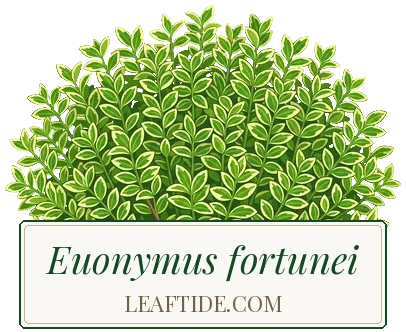
Euonymus fortunei is a versatile evergreen ground cover or low hedge that tolerates sun, shade, and most soil types. Variegated cultivars such as 'Emerald Gaiety' and 'Emerald 'n' Gold' brighten shady corners year-round. Plant at any time, space about 60cm apart for ground cover or 30cm for a low hedge, and trim to shape in spring. Watch for euonymus scale, which can weaken plants if left unchecked.
 In your Leaftide garden

- Height
- 60 cm
- Spread
- 90 cm
- Light
- Full sun to part shade
- Water
- Low
- Feed
- Spring compost mulch
- Prune
- Trim in spring
Yearly Lifecycle
Care Essentials
Mulch with compost in spring. Rarely needs additional feeding.
Watch For
- Euonymus scale
- Powdery mildew
- Vine weevil
Companions
Box, Heuchera, Grasses
Pet Safety
Care Requirements
Light
Sun to deep shade; variegated forms prefer some sun
Full sun to deep shade. Variegated cultivars colour best with some sun; green-leaved types tolerate the deepest shade.
Watering
Water to establish; drought-tolerant after
Water during dry spells in the first year. Once established, euonymus is drought-tolerant and copes well in most conditions.
Fertilizing
Spring compost mulch; rarely needs more
Mulch with compost in spring. Rarely needs additional feeding — it thrives in poor to moderate soil.
Pruning
Trim in spring; remove reverted green shoots
Trim to shape in spring or early summer. Can be clipped as a formal low hedge. Remove any all-green reverted shoots on variegated cultivars promptly.
Growing Tips
Great for brightening shade
Variegated forms light up shady borders and north-facing walls. Green-leaved types are tougher in deep shade.
Clip to shape in spring
Trim lightly in spring or early summer to keep a neat shape. Can be clipped as a formal low hedge.
Watch for euonymus scale
Check regularly for euonymus scale — white, waxy encrustations on stems. Prune out badly affected growth and treat with a contact insecticide if needed.
Pests & Diseases
Pest Euonymus Scale
Identification: White, elongated male scales and brown, oyster-shaped female scales on stems and leaf undersides; heavy infestations cause yellowing and leaf drop
- Prune out and destroy heavily infested stems
- Scrub scales off with a soft brush dipped in soapy water
- Encourage natural predators such as ladybirds and parasitic wasps
- Spray with a contact insecticide in early summer when crawlers are active
- Apply a systemic insecticide for severe infestations
Pest Vine Weevil
Identification: Notched leaf edges from adult feeding at night; wilting plants from root-feeding grubs in the soil or compost
- Apply biological nematode control (Steinernema kraussei) to soil in spring or autumn
- Check containers and remove grubs when repotting
- Drench soil with a systemic insecticide containing acetamiprid
Pest Caterpillars
Identification: Webbing over shoots; skeletonised or eaten leaves; caterpillars visible inside webbing
- Pick off caterpillars by hand or prune out webbed shoots
- Encourage birds that feed on caterpillars
- Spray with a contact insecticide when caterpillars are first seen
Disease Powdery Mildew Erysiphe euonymi
Symptoms: White powdery coating on leaves and stems; affected leaves may yellow, curl, and drop
Treatment: Improve air circulation by thinning dense growth; remove badly affected leaves
Prevention: Ensure good spacing and airflow; avoid overcrowding; water at the base
Disease Leaf Spot
Symptoms: Brown or black spots on leaves, sometimes with a yellow halo; premature leaf drop in severe cases
Treatment: Remove and destroy affected leaves; improve air circulation
Prevention: Avoid overhead watering; ensure good spacing; clear fallen debris
Disease Crown Gall Agrobacterium tumefaciens
Symptoms: Rough, warty growths at the base of stems or on roots; affected plants may show reduced vigour
Treatment: No chemical cure; remove and destroy badly affected plants
Prevention: Avoid wounding the base of plants; buy healthy stock from reputable nurseries