How to Grow Anemone
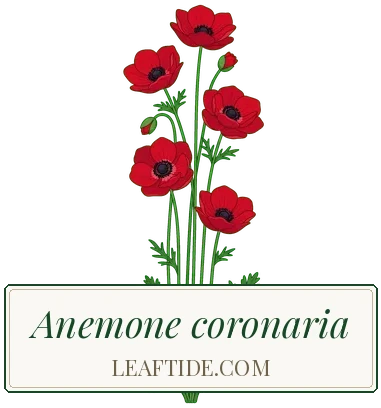
Anemone coronaria
Anemone coronaria (De Caen and St Brigid types) can stay in the ground for years in mild gardens with free-draining soil, roughly zone 8 and warmer, which includes most of the UK. Soak new corms overnight and plant them 5 cm deep in a sunny, sheltered spot. Corms planted in autumn flower from about March to May; corms planted in spring flower in their first summer, then shift to spring flowering. Feed every two weeks while buds form, cut or deadhead the flowers often, and let the leaves die back on their own in early summer. The corms then rest dry until autumn. In cold areas or heavy, wet soil the corms rot or freeze over winter, so grow the seasonal Anemone there and lift the corms each year.
 In your Leaftide garden

- Height
- 80 cm
- Spread
- 45 cm
- Spacing
- 15 cm
- Flowers
- March - May
- Light
- Full sun to part shade
- Water
- Moderate
- Feed
- Liquid feed every two weeks in spring
- Prune
- Deadhead and let the leaves die back
Yearly Lifecycle
Care Essentials
Give a balanced or high-potash liquid feed every two weeks from late winter, once the leaves are growing well, until flowering ends. Avoid high-nitrogen feeds, which give plenty of leaves and few flowers. Don't feed while the corms rest in summer.
Watch For
- Aphids
- Slugs
- Caterpillars
- Grey mould (Botrytis)
- Powdery mildew
- Corm rot
Companions
Ranunculus, Tulips, Narcissus, Sweet Peas
Care Requirements
Light
Full sun to light shade
Grow in full sun in a sheltered spot for the most flowers. Light afternoon shade helps in hot climates.
Watering
Moist in growth, dry in summer
Water in dry spells while the plants are in leaf and flowering, but never let the soil become waterlogged. Once the leaves die back in early summer, stop watering, as the corms need a dry rest until autumn.
Fertilizing
Liquid feed every two weeks in spring
Feed every two weeks with a balanced or high-potash liquid fertiliser from late winter until flowering ends. Avoid high-nitrogen feeds.
Pruning
Deadhead and let the leaves die back
Cut faded flower stems to the base. After flowering, let the leaves yellow and die back naturally, then clear them away.
Spacing
15 cm apart, 5 cm deep
Plant corms 5 cm deep and 15 cm apart, in rows 25 cm apart. Good spacing keeps air moving and lowers the risk of grey mould.
Planting
Mild, free-draining sites only
Leaving the corms in the ground works in mild gardens (roughly zone 8 and warmer, including most of the UK) where the soil drains freely in winter. Plant soaked corms in autumn for flowers from March to May. In cold areas or heavy, wet soil, grow the seasonal Anemone and lift the corms each year.
Growing Tips
Good drainage comes first
Corms left in the ground rot in soil that stays wet over winter. Plant them in a raised bed or on a slope, or dig in plenty of grit first. If water sits on the surface after rain, grow the seasonal Anemone instead and lift the corms each year.
Soak new corms before planting
Soak new corms in lukewarm water for 12-24 hours, then plant them 5 cm deep with the flattened side up. If you can't tell which side is which, plant them on their side.
Protect new shoots from slugs
Slugs go for the young leaves as they come through in late winter and spring. Use traps, barriers or ferric phosphate pellets around the clump.
Cut early for the longest vase life
Cut stems when the bud is just showing colour. Anemones keep opening in the vase and last 7-10 days, and regular cutting brings on more buds.
Let the leaves die back
After flowering, leave the foliage until it turns yellow on its own, because it feeds the corm for next year. Once the leaves have gone, stop watering, as the corms need a dry summer rest.
Pests & Diseases
Pest Aphids
Identification: Clusters of small soft-bodied insects on shoot tips and flower buds, causing distorted growth and sticky honeydew
- Blast off with a strong jet of water
- Spray with fatty acid-based insecticide
- Encourage ladybirds, lacewings and hoverflies
- Spray with a contact insecticide containing deltamethrin or lambda-cyhalothrin
Pest Slugs and Snails
Identification: Irregular holes in young leaves and slime trails around plants, worst in wet weather
- Use beer traps or copper tape barriers
- Apply organic slug pellets (ferric phosphate)
- Encourage natural predators such as hedgehogs and ground beetles
- Ferric phosphate-based pellets
Pest Caterpillars
Identification: Irregular holes or ragged edges on leaves, caterpillars visible on or under foliage
- Pick off by hand
- Apply Bacillus thuringiensis (Bt) biological spray
- Spray with a contact insecticide if infestation is severe
Disease Grey Mould (Botrytis)
Symptoms: Grey fuzzy mould on stems, leaves, and flowers, causing collapse of affected tissue
Treatment: Remove and destroy affected parts immediately. Improve air circulation. Apply a fungicide containing tebuconazole if severe
Prevention: Space plants well, avoid overhead watering, remove dead plant material promptly
Disease Powdery Mildew
Symptoms: White powdery coating on leaves and stems, causing yellowing and reduced vigour
Treatment: Remove badly affected leaves. Spray with a fungicide if severe
Prevention: Space plants well for good airflow, avoid water stress, and water at the base
Disease Corm Rot
Symptoms: Corms become soft, discoloured, and fail to produce shoots; plants collapse at the base
Treatment: Remove and destroy affected corms. Do not replant in the same spot
Prevention: Ensure excellent drainage before planting. Never plant in waterlogged soil. Soak corms in a fungicide solution before planting if rot has been a problem
Popular Varieties
De Caen, St. Brigid
Spacing & Planting
| Plant spacing | 15 cm |
| Row spacing | 25 cm |
| Mature height | 80 cm |
| Mature spread | 45 cm |
Corms left in the ground all year. Plant them 5 cm deep and 15 cm apart in a sunny, free-draining spot. This suits mild gardens (roughly zone 8 and warmer, including most of the UK). In cold areas or heavy, wet soil, grow the seasonal Anemone instead and lift the corms after flowering.