How to Grow Agastache
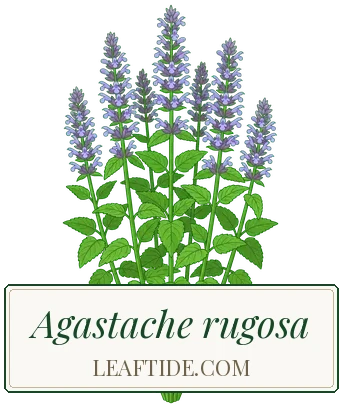
Agastache rugosa
Agastache produces spikes of purple-blue flowers from midsummer to autumn, beloved by bees and butterflies. Plant in full sun in light, well-drained soil — it hates winter wet. The anise-scented foliage is aromatic and edible. Leave seedheads standing over winter for structure, then cut back hard in spring once new growth appears at the base.
 In your Leaftide garden

- Height
- 90 cm
- Spread
- 45 cm
- Flowers
- June - September
- Light
- Full sun
- Water
- Low
- Feed
- Minimal
- Prune
- Cut back hard in mid-spring
Yearly Lifecycle
Care Essentials
Minimal feeding required. A light mulch of gravel or grit in spring helps drainage around the crown. Avoid rich, heavy mulches.
Watch For
- Crown rot in wet winter soils
- Powdery mildew in dry summers
- Short-lived in heavy clay — treat as short-lived perennial
Care Requirements
Light
Full sun
Requires at least 6 hours of direct sun per day. In partial shade it becomes leggy and flowers poorly. A south- or west-facing position is ideal.
Watering
Low; drought-tolerant once established
Water in after planting and during the first season. Once established, agastache is very drought-tolerant and rarely needs additional watering. Overwatering, especially in winter, is the main killer.
Fertilizing
Minimal; avoid rich feeds
Feed sparingly, if at all. Rich feeding promotes lush but weak growth that is more susceptible to rot and less floriferous. A light top-dressing of grit or sharp sand in spring is more beneficial than fertiliser.
Pruning
Cut back hard in mid-spring
Leave all old stems standing through winter — they protect the crown and provide habitat. In mid-spring, once you can see new shoots emerging at the base, cut all stems to ground level. Do not cut back in autumn.
Overwintering
Hardy but hates wet; protect crown from waterlogging
Fully hardy in most climates but will die in waterlogged soil over winter. Improve drainage before planting. Apply a collar of grit or gravel around the crown in autumn to deflect moisture. In heavy clay, growing in a raised bed or container may be more reliable.
Growing Tips
Drainage is everything
Dies in wet winter soils; grow in very free-draining soil or raise the planting site; add grit to clay.
Leave old stems standing
Hollow stems provide winter interest and protect the crown from frost; only cut back in spring when new base growth is visible.
Edible and aromatic
Leaves have a strong anise flavour; use fresh in salads, herbal teas, and as a garnish; the flowers are also edible.
Short-lived but self-seeds
Typically lasts 3-4 years; allow some seedheads to scatter and replacement plants will appear nearby in well-drained spots.
Pests & Diseases
Pest Aphids
Identification: Clusters of small insects on new shoots and flower buds. They distort growth and leave sticky honeydew.
- Usually kept in check by natural predators such as ladybirds and hoverflies.
- If severe, blast off with a jet of water.
Pest Spider Mites
Identification: Tiny mites cause fine pale stippling on leaves in hot, dry weather. Check the undersides for webbing.
- Improve air circulation around the plant.
- Mist the foliage in dry spells.
Disease Crown Rot
Symptoms: The most common cause of death, caused by waterlogging around the crown in winter.
Treatment: Lift and replant affected plants in free-draining soil if they are still alive. Badly rotted plants cannot be saved.
Prevention: Improve drainage, add a grit mulch around the base, and avoid planting in heavy clay without amendment.
Disease Powdery Mildew
Symptoms: White powdery coating on leaves in dry summers, especially where air circulation is poor.
Treatment: Remove badly affected leaves and keep the plant well watered at the base.
Prevention: Ensure good spacing and water at the base rather than overhead.
Popular Varieties
Morello
[object Object]